Australian Art Prizes Have No Real Vetting Process — The Jane Allan Story Proves It
25 June 2026 · 7 min read
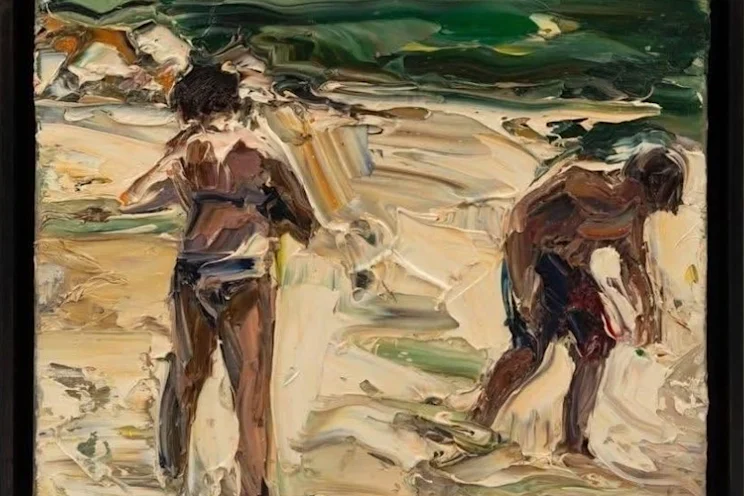
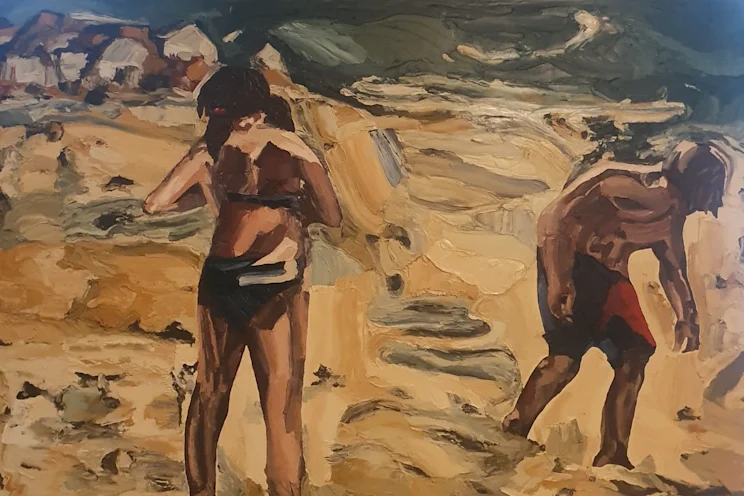
The most damaging detail in the Jane Allan story is not the similarity between her work and Basquiat's. It is what the National Portrait Gallery admitted happened in 2022.
Their own art handlers noted the work was clearly influenced by Jean-Michel Basquiat at the time of the Darling Portrait Prize submission. They noted it. A spokesperson confirmed this. The prize proceeded. The Art Handler's Award — $2,000 — was given. The gallery said nothing publicly for four years.
That is not an artist failing a system. That is a system failing to function.
What the vetting process actually consists of
For both prizes at the centre of this story — the Doyles Art Award and the Darling Portrait Prize — the vetting process for originality consists of one thing: a signed declaration from the artist confirming the work is their own original artwork.
There is no reverse image search. There is no provenance check. There is no requirement to disclose influences or references. There is no expert panel reviewing submissions against existing works before prizes are awarded. The entire integrity of tens of thousands of dollars in prize money rests on whether the entering artist tells the truth.
The Doyles Art Award has been running since 2004 and carries a $20,000 prize. The Darling Portrait Prize is administered by the National Portrait Gallery — a federal cultural institution. Neither has a meaningful mechanism for detecting whether prize submissions are original designs.
A reverse image search would have found this immediately
Philip Bacon, the Brisbane art dealer who identified Seaside Explorers as closely mirroring Nicholas Harding's Two Estuary Figures, did so by recognising the work from his knowledge of Harding's catalogue. Harding's Two Estuary Figures is not a well-known work. It sold at auction in 2011 for $14,000. The fact that it was identified at all was essentially luck — the right person happened to see the right painting.
Basquiat's Untitled (Two Heads on Gold) is not obscure. It is a work by one of the most recognisable and financially significant artists of the twentieth century, a painting that sold at Sotheby's for $4.6 million. A basic image search of Allan's Darling Prize submission against Basquiat's catalogue would have surfaced the similarity immediately. That search was not done.
What the prize system is actually protecting
Art prizes are funded by donors, councils, and institutions. They exist to identify and reward original artistic talent. When prize money goes to work that closely echoes existing paintings, the donors are funding something other than what they intended. The artists who submitted genuinely original work to those same prizes lost to copies. That is the actual harm — not to the estates of deceased artists, but to the living artists whose original work was competing honestly.
The prize system's current approach protects the institution from liability. A signed declaration means if something goes wrong, it is the artist's fault. The institution did its due diligence — it asked. What it does not do is protect the integrity of the prize itself, the donors who fund it, or the artists who enter it honestly.
What a real vetting process would look like
A meaningful originality check for art prize submissions would include reverse image search of the submitted work against major art databases, a declaration of significant influences and references used in the work's development, and an expert review panel with access to art historical databases for shortlisted works.
None of this is technically difficult. Reverse image search tools are free. Art databases are accessible. The decision not to implement these checks is a choice, not a resource constraint. It is a choice that the institutions now administering damage control will have to explain.
The artists who lost deserve acknowledgement
The coverage of this story has focused almost entirely on Jane Allan, on Basquiat, on Harding, and on the institutions involved. The artists who entered the Doyles Art Award in 2025 with original landscape work and lost to Seaside Explorers have not been mentioned once. The artists who entered the 2022 Darling Portrait Prize with original portrait work and lost to Weight of the Mind's Periapt have not been mentioned once.
Those artists are the people most directly harmed by the failure of the prize vetting process. They competed honestly. They lost to work that should not have been in the competition. That deserves more than a footnote in a story about institutional embarrassment.
Solene Haus
The art world you deserved.
Zero commission. The Grid image protection. Collector relationships that belong to you.
Join Solene Haus